

For many autistic individuals, overstimulation happens when sights, sounds, textures, or other sensory inputs become too overwhelming for their brains to process. What feels like a normal environment to others can quickly turn stressful for someone with autism.
How Overstimulation Feels:
- Sensory Overload – Everyday noises, bright lights, or strong smells may feel unbearably intense, creating a sense of chaos.
- Loss of Focus – It may be hard to concentrate on a task or conversation when too many sensory signals compete at once.
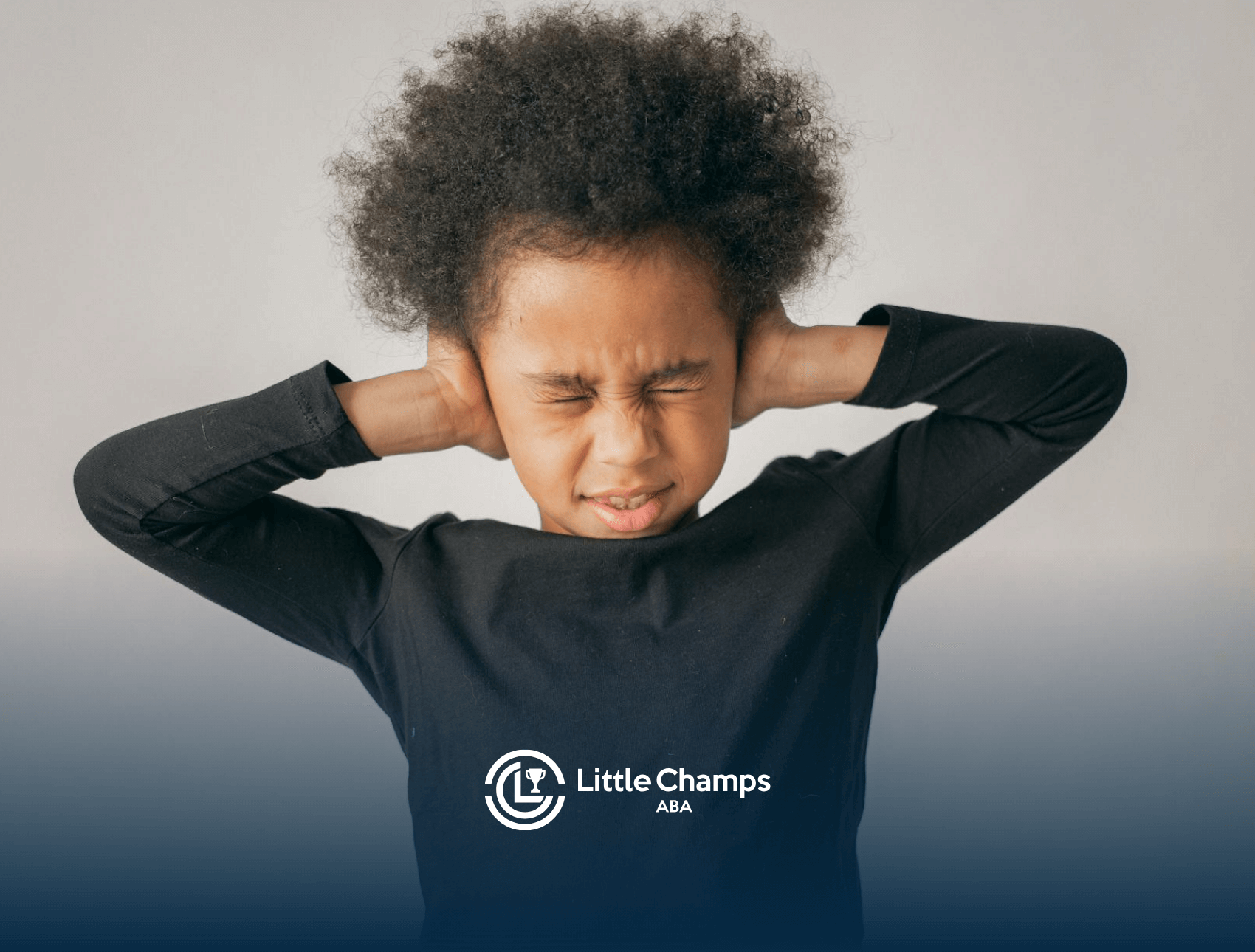
- Physical Reactions – Overstimulation can cause headaches, nausea, or physical discomfort. Some children may cover their ears, squint, or avoid touch.
- Emotional Distress – Feelings of anxiety, frustration, or panic are common. This can sometimes lead to meltdowns or withdrawal.
- Need for Escape – Many autistic children seek quiet, safe spaces where they can calm down and regain control.
Recognizing the signs of overstimulation early allows parents and caregivers to step in with calming strategies like quiet time, sensory tools, or structured breaks.
Looking for support?
At Little Champs ABA, we provide personalized ABA therapy in Utah and Colorado to help children manage overstimulation, build coping skills, and thrive in daily life.
Contact us today to learn more about our in-home, school-based, daycare, and telehealth ABA services.
SOURCES:
https://autismspectrumnews.org/four-faces-of-overstimulation/
https://neuronav.org/self-determination-blog/what-does-overstimulation-feel-like
https://www.medicalnewstoday.com/articles/sensory-overload
https://www.rula.com/blog/autism-overstimulation/
https://www.simplypsychology.org/autism-overstimulation.html