
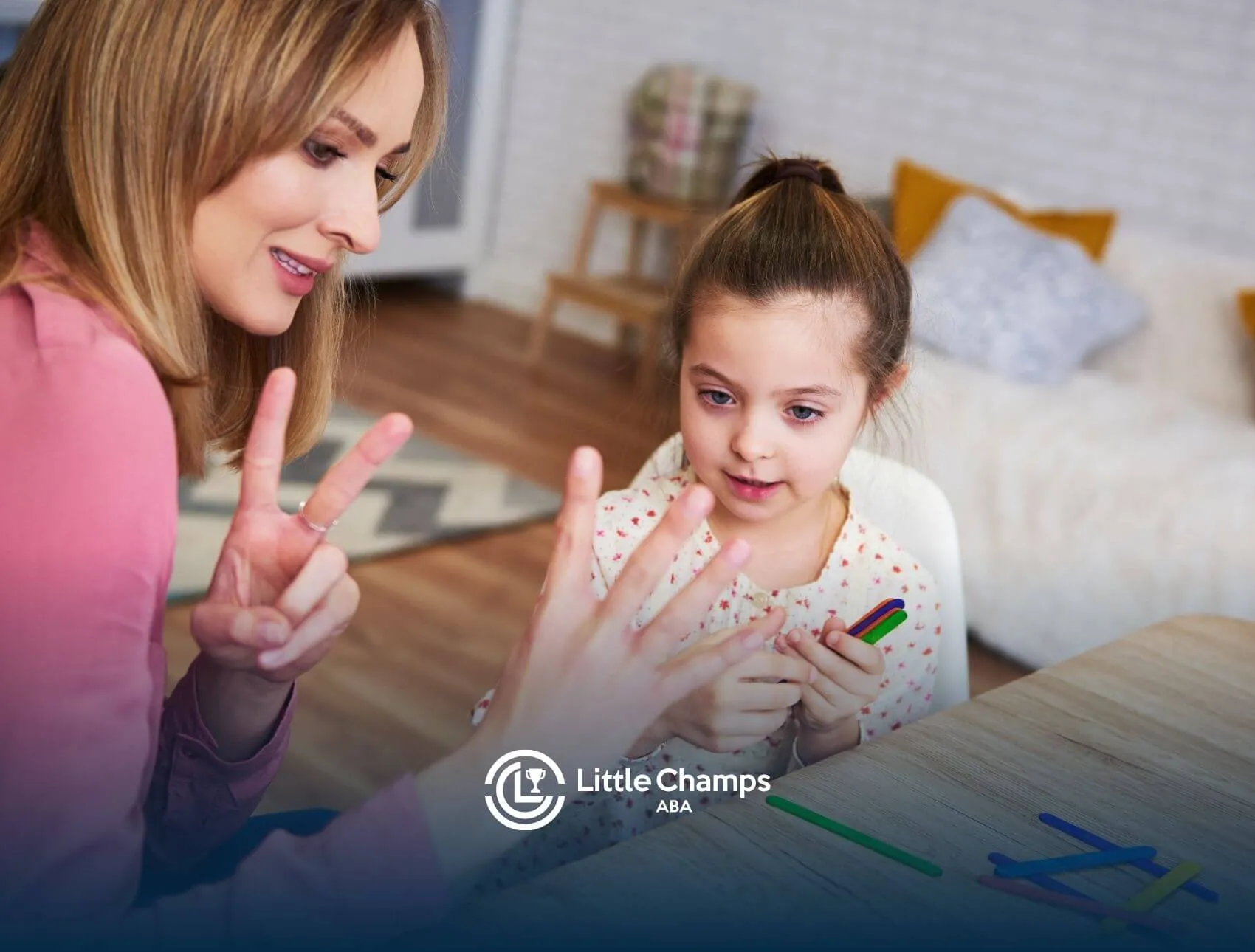
Helping an autistic child develop communication skills can be a gradual process that requires patience, consistency, and the right strategies. The key is to focus on building communication in ways that feel natural and comfortable for the child.
- Use Visual Aids: Many children with autism respond well to visual cues like pictures, sign language, or communication boards. This helps bridge the gap between nonverbal communication and language development.
- Create a Structured Routine: Children with autism thrive on routine. Use consistent language and predictable activities to encourage communication around familiar tasks and environments.
- Model Language: Show the child how to use language by speaking clearly and directly. Be sure to give them plenty of time to process and respond.
- Use Positive Reinforcement: Celebrate every attempt at communication, no matter how small. Positive reinforcement motivates the child to keep trying.
- ABA Therapy: Applied Behavior Analysis (ABA) is a proven approach that focuses on teaching communication in practical, structured ways. It can help children with autism learn to express their needs and interact with others.
At Little Champs ABA, we provide personalized ABA therapy in Utah and Colorado that helps children with autism build their language skills in a supportive, engaging environment.
Ready to support your child’s communication development? Contact us today!
SOURCE:
https://www.autismparentingmagazine.com/autism-routine-importance/?srsltid=AfmBOoqLaJfaYl9QSu81XDwICOE-4eQizQrybFxgnnAAPbb82L7WHY67
https://www.reddit.com/r/Autism_Parenting/comments/17em49p/parents_of_previously_nonverbal_children_did_you/
https://www.nhs.uk/conditions/autism/autism-and-everyday-life/help-for-day-to-day-life/
https://www.appliedbehavioranalysisedu.org/6-strategies-for-encouraging-a-non-verbal-child-to-communicate/
https://my.clevelandclinic.org/health/articles/autism