


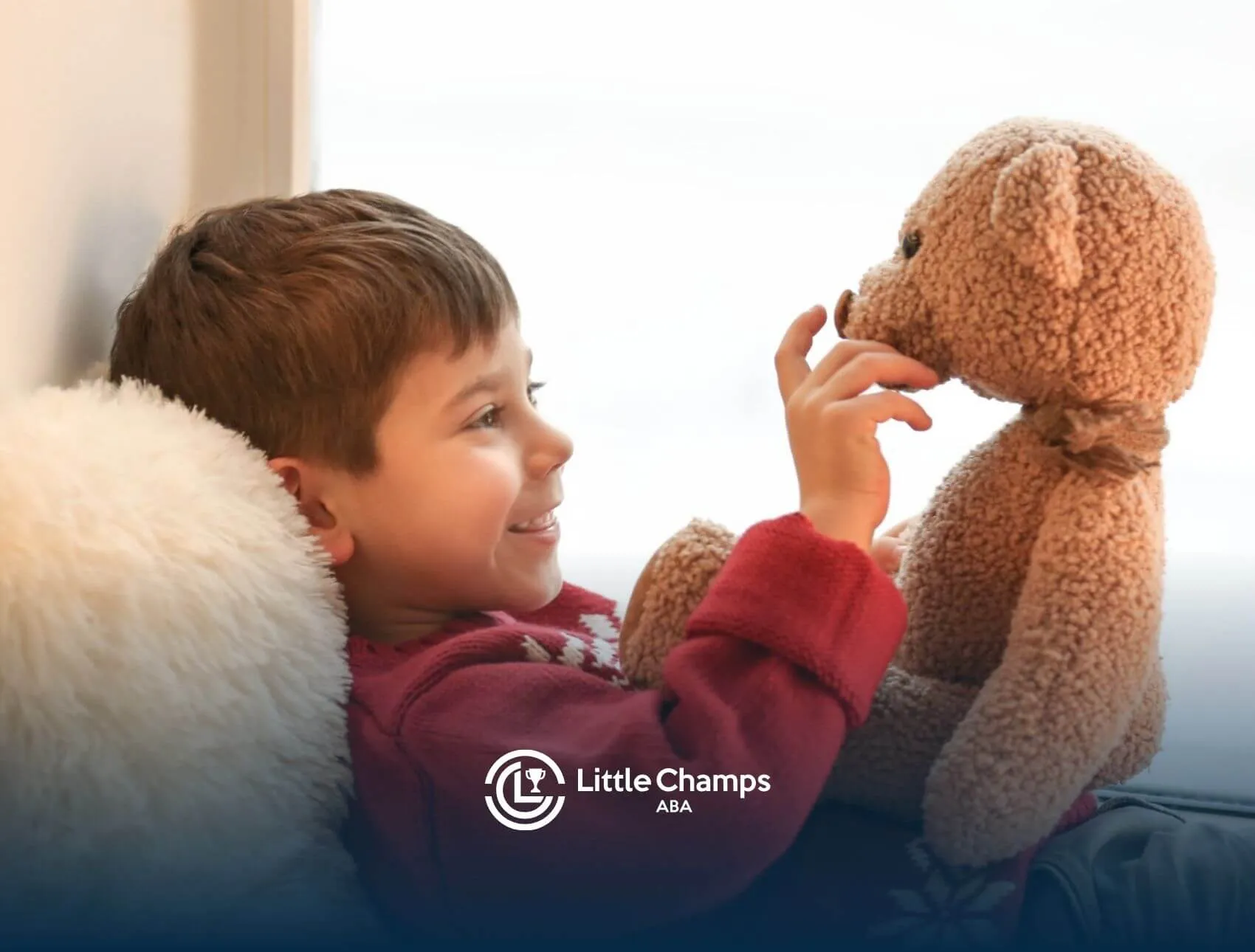
Calming items for autism are tools I regularly recommend to help children feel more regulated, focused, and comfortable in their environment. These items don’t “fix” behavior—they support sensory needs and emotional regulation in simple, practical ways.
Below is a clear, parent-friendly list of calming tools that often help autistic children at home, school, and in the community.
Weighted items
Deep pressure can be incredibly soothing.
Popular options include:
- Weighted blankets
- Weighted lap pads
- Weighted vests
These can help with relaxation, focus, and sleep when used appropriately.
Fidget toys
Fidget toys offer sensory input through movement and touch.
Helpful examples:
- Stress balls
- Tangles
- Putty or slime
- Pop-it toys
Fidgets are especially useful during learning time or transitions.
Noise-reducing headphones
For children sensitive to sound, these can be a game-changer.
They help reduce:
- Classroom noise
- Crowded public spaces
- Unexpected loud sounds
This supports emotional regulation and reduces anxiety.
Chewable sensory tools
Some children seek oral sensory input.
Common calming chew tools include:
- Chewelry necklaces
- Silicone chew tubes
- Textured chew sticks
These provide a safe alternative to chewing on clothing or objects.
Sensory comfort items
Soft, familiar items can bring a strong sense of calm.
Examples:
- Favorite stuffed animals
- Soft blankets
- Textured pillows
These are especially helpful during rest time or stressful moments.
Visual calming tools
Visual input can be just as regulating as touch.
Helpful tools for autistic children include:
- Lava lamps
- Bubble tubes
- Soft light projectors
These can slow the nervous system and promote relaxation.
How to choose the right calming items
Not every calming item works for every child. I always suggest:
- Observing what sensory input your child seeks
- Introducing items slowly
- Using them proactively, not just during distress
The goal is support—not dependence.
How ABA therapy supports regulation skills
Calming items work best when paired with skill-building. In ABA therapy, we teach children how and when to use calming tools, while also developing communication, coping, and independence skills.
This helps calming strategies carry over into real-life situations.
Supporting families at Little Champs ABA
At Little Champs ABA, we help families choose and use calming strategies that truly fit their child. We provide personalized ABA therapy services for families in Colorado and Utah, with support across home, school, and community settings.
Our ABA services include:
- ABA therapy at home
- ABA therapy in school
- ABA therapy in daycare
- ABA therapy for teenagers
- Telehealth ABA
If you’re looking for calming tools—or a bigger plan to support regulation and growth—we’re here to help. Contact us today and let’s build strategies that work for your child and your family.
FAQs
What are calming items for autism?
Calming items for autism are sensory tools that help children regulate emotions, reduce stress, and manage sensory overload more effectively.
Do calming items really help autistic children?
Yes. When matched to a child’s sensory needs, calming items can improve focus, emotional regulation, and overall comfort in daily routines.
Are calming items the same as stimming toys?
Some calming items are stimming tools, but not all stimming items are calming. The key difference is whether the item helps regulate the child’s nervous system.
When should calming items be used?
They can be used proactively during transitions, learning activities, or stressful situations—not only during meltdowns.
Can calming items replace therapy?
No. Calming items are supportive tools, but skill-building therapies like ABA help children learn long-term coping and communication strategies.
Sources:
- https://nationalautismresources.com/sensory-toys/
- https://www.autismspeaks.org/blog/what-are-sensory-toys
- https://www.autismparentingmagazine.com/digital-tools-can-help-special-needs-child/
- https://www.autismspeaks.org/blog/ten-toys-and-games-autistic-toddlers-and-children
- https://www.autismparentingmagazine.com/fidget-toys-to-relieve-stress-anxiety/