


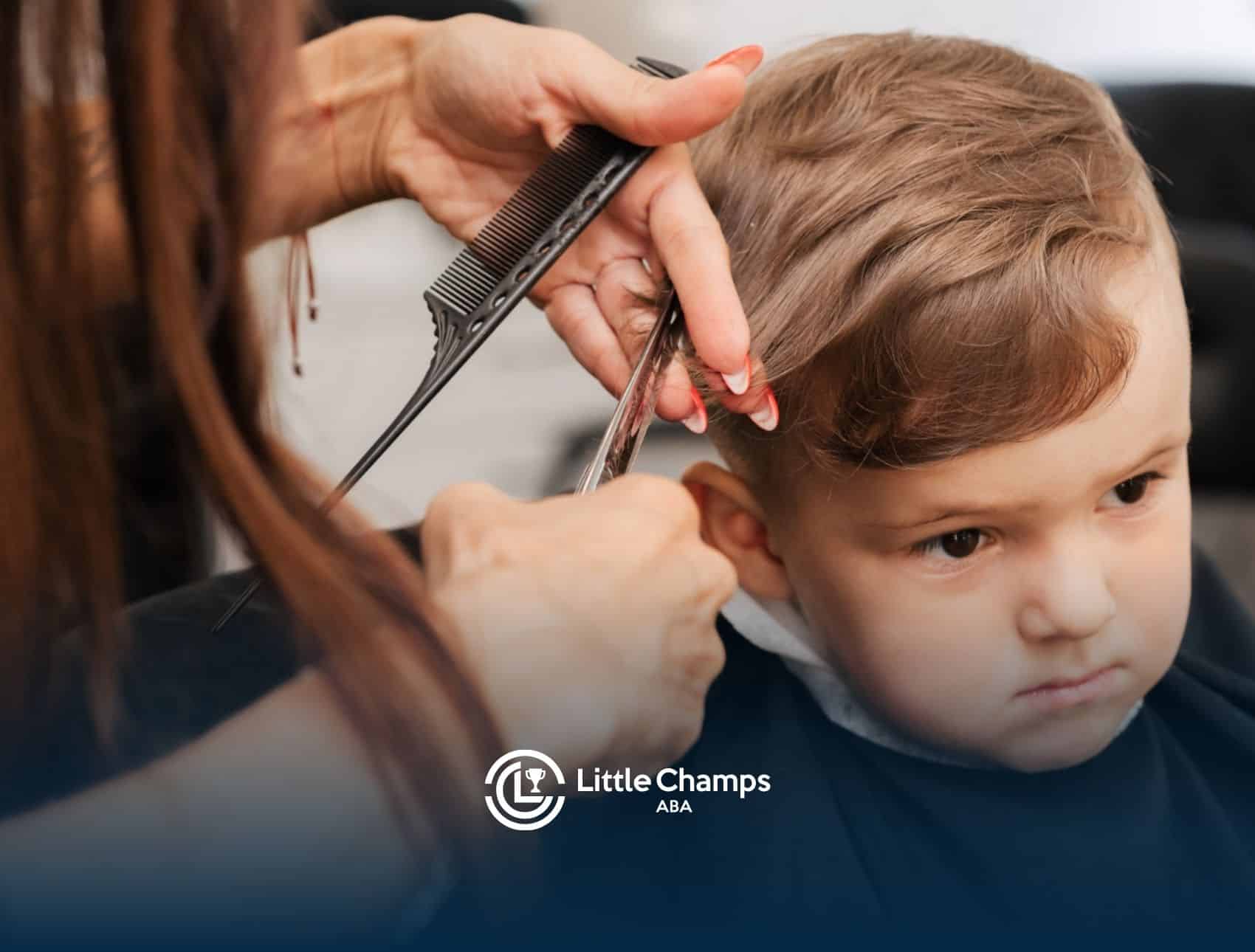
A first haircut for an autistic child can feel big and overwhelming. The salon is full of new sounds, bright lights, strong smells, and unfamiliar touch. For many kids on the autism spectrum, this kind of sensory overload can quickly lead to anxiety or meltdowns.
The good news is that with preparation and the right supports, a first salon visit can be calm, predictable, and even successful.
When parents look for help with preparing an autistic child for a haircut, what they usually need most is a way to reduce fear and increase predictability.
Here are strategies that truly help.
Build familiarity before the visit
The more your child knows what to expect, the safer they will feel.
- Show photos or short videos of children getting haircuts.
- Use simple social stories that explain each step in clear language.
- Role-play at home using a doll, stuffed animal, or family member as the “client” and “stylist.”
This helps turn the unknown into something familiar and less threatening.
Practice the sensory experiences
Haircuts involve touch, sound, and sometimes vibration.
- Gently touch and brush your child’s hair every day to increase tolerance.
- Use a spray bottle with water so the feeling isn’t surprising.
- Let them hear buzzing sounds from an electric toothbrush or trimmer from a distance, slowly moving closer over time.
This kind of gradual exposure can reduce fear around scissors and clippers.
Choose a sensory-friendly salon and timing
The environment makes a huge difference.
- Look for stylists who have experience with autistic children.
- Ask if the salon offers quiet hours or sensory-friendly appointments.
- Book during low-traffic times to avoid crowds and loud noise.
A calm setting can help your child stay regulated longer.
Use visual schedules and clear steps
Predictability lowers anxiety.
- Drive to salon
- Sit in chair
- Hair gets cut
- All done
- Go home / get reward
Seeing the sequence helps your child understand what will happen and when it will be finished.
Bring comfort and regulation tools
- Favorite toy, blanket, or fidget
- Headphones to reduce noise
- Tablet or phone with a familiar show or music
These items can provide emotional safety and help your child stay calm in a new space.
Reinforce and celebrate small successes
Progress may come in tiny steps.
- Praise sitting in the chair, even briefly.
- Praise tolerating the cape or the sound of scissors.
- Offer a preferred reward afterward.
Positive reinforcement builds confidence and makes future haircuts easier.
Preparing an autistic child for their first haircut is not about forcing them to “push through.” It’s about respecting sensory needs, building trust, and creating a plan that makes the experience feel safe and predictable.
At Little Champs ABA, we support families through real-life challenges like haircuts, doctor visits, and daily routines using individualized, compassionate ABA strategies. We proudly provide services in Colorado and Utah, including:
- ABA therapy at home
- ABA therapy in school
- ABA therapy in daycare
- ABA therapy for teenagers
- Telehealth ABA
If your child struggles with transitions, sensory experiences, or new environments, our team can help build the skills and confidence they need. Contact us to learn more and schedule a consultation today.
FAQs
At what age should an autistic child get their first haircut?
There is no “right” age. The best time is when your child shows some tolerance for touch on their head and can handle short periods in a new environment.
What if my child is afraid of the clippers or scissors?
Start with gradual exposure at home. Let them see and hear similar sounds, and slowly build tolerance before the salon visit.
Should I tell the stylist that my child has autism?
Yes. Sharing this helps the stylist adjust their approach, move more slowly, and be more patient and flexible.
How long should the first haircut appointment be?
Short and simple is best. Even a few minutes in the chair can be a success for a first visit.
What if the haircut doesn’t get finished?
That’s okay. The goal is building comfort and positive experiences, not perfection. You can always try again another day.
Sources:
- https://www.autismparentingmagazine.com/autism-haircuts/
- https://www.bbc.com/news/uk-wales-39502366
- https://www.ochbuffalo.org/pdf/autism/ASD-Information-About-Haircuts.pdf
- https://www.rush.edu/services/autism-care/autism-resource-directory/resources-children/haircuts-children-autism
- https://community.autism.org.uk/f/adults-on-the-autistic-spectrum/22606/adult-haircutting-experiences