


Supporting a child with autism at home doesn’t have to be expensive or overwhelming. In fact, some of the most effective low-cost sensory tools for autism are simple, everyday items that help with sensory regulation, focus, and emotional control. With the right at-home sensory supports, families can create calming routines that truly work.
As an ABA clinician, I often remind parents that sensory support doesn’t need to look fancy to be effective — it just needs to meet your child’s needs.
Best sensory tools at home
Children with autism experience the world through their senses in unique ways. Sensory tools and sensory activities for kids with autism can help reduce sensory overload, improve attention, and support emotional regulation throughout the day.
Tactile sensory tools
Tactile input supports children who seek touch or need something to keep their hands busy.
- Stress balls or DIY balloon squeeze balls
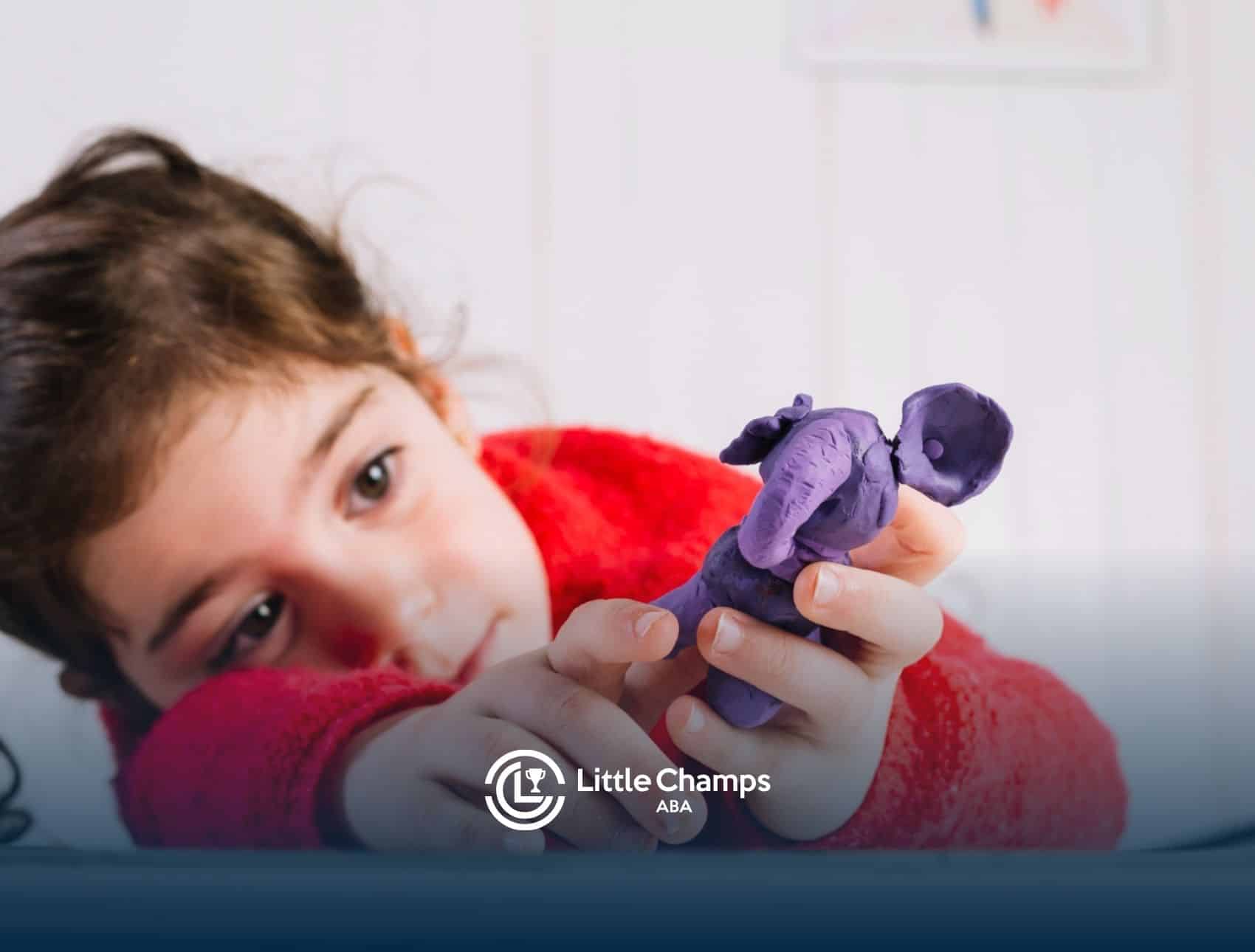
- Playdough, slime, or kinetic sand
- Sensory bins with rice, beans, or pasta
- Low-cost fidget toys from dollar stores
These sensory tools for children with autism are especially helpful during homework, meals, or quiet time.
Proprioceptive and movement-based sensory activities
Proprioceptive input (also called “heavy work”) is one of the most effective ways to support autism sensory regulation.
- Pushing laundry baskets or carrying groceries
- Wall push-ups, jumping, or animal walks
- Wearing a lightly weighted backpack for short periods
- Stretching, yoga, or simple movement breaks
These sensory activities for autism at home help children feel calm, organized, and more in control of their bodies.
Visual sensory supports
Visual sensory tools support predictability and reduce anxiety, which is key for many children with autism.
- Visual schedules printed at home
- Calm-down corners with soft lighting
- Glitter jars or lava lamps
- Picture cards for routines and transitions
Visual supports are simple but powerful at-home sensory tools for autism that help children understand what’s coming next.
Auditory and calming sensory tools
Managing sound input can make a big difference for children sensitive to noise.
- Noise-canceling or over-ear headphones
- White noise or calming music
- DIY instruments like rain sticks or soft drums
These tools support sensory processing for kids with autism, especially in loud or busy environments.
Why low-cost sensory tools are effective
The best sensory supports are the ones families can use consistently. Affordable sensory tools allow parents to build daily routines without added stress. When sensory needs are met proactively, we often see fewer meltdowns, better transitions, and improved focus.
How Little Champs ABA supports sensory needs
At Little Champs ABA, we help families identify the right sensory strategies for autism and teach caregivers how to use them in real-life situations. Our goal is to make sensory support practical, realistic, and sustainable.
We proudly provide ABA services in Colorado and Utah, including:
- ABA therapy at home
- ABA therapy in school
- ABA therapy in daycare
- ABA therapy for teenagers
- Telehealth ABA
If you’re looking for personalized, family-centered ABA therapy, reach out to Little Champs ABA to learn more about our programs in Colorado and Utah.
FAQs
What are sensory tools for autism?
Sensory tools provide input that helps children with autism regulate emotions, attention, and behavior.
Are there affordable sensory tools for kids with autism?
Yes. Many effective sensory tools are low-cost, DIY, or made from everyday household items.
How do sensory activities help children with autism?
Sensory activities support emotional regulation, reduce sensory overload, and improve focus.
Can sensory tools be used at home every day?
Absolutely. Daily use of at-home sensory supports often leads to better routines and fewer challenges.
Should sensory tools be part of ABA therapy?
Yes. Sensory strategies are commonly integrated into ABA therapy to support learning and behavior.
Sources:
- https://pmc.ncbi.nlm.nih.gov/articles/PMC9340127/
- https://pmc.ncbi.nlm.nih.gov/articles/PMC10913295/
- https://www.sciencedirect.com/science/article/pii/S0022096521000618
- https://nationalautismresources.com/sensory-toys/
- https://www.autismparentingmagazine.com/diy-sensory-toys/