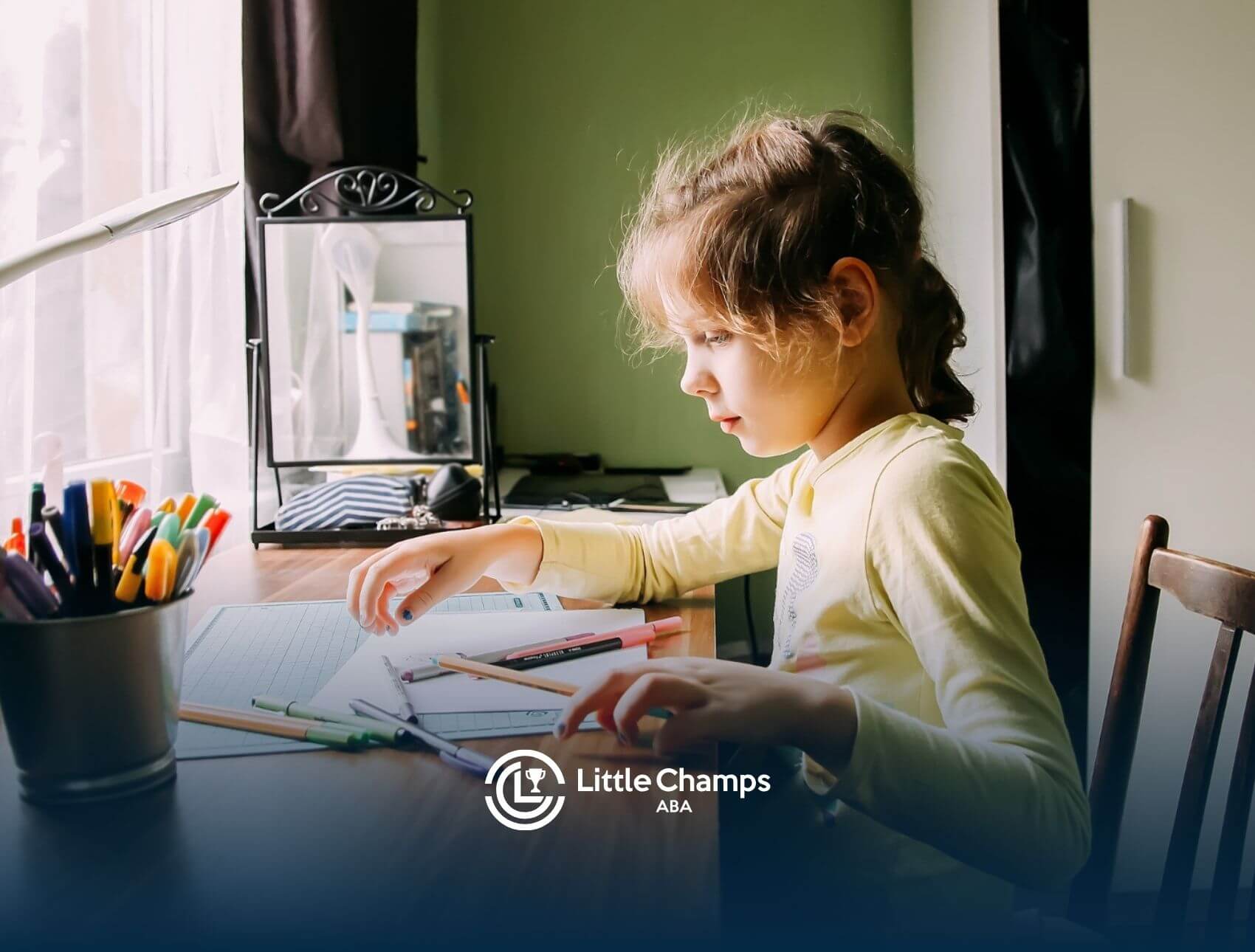
Supporting an autistic family member begins with understanding their needs, communication style, and sensory experiences. Autism affects how a person processes the world, so patience and empathy are essential....
Ensuring your child is safe is a top priority for every parent. For children with autism spectrum disorder, learning essential safety skills can present unique challenges, but it is...
Do kids with autism get upset easily? Children with autism often appear to get upset more easily compared to their peers. This heightened emotional response is usually linked to...
Brain exercises for autism—often called brain gym activities—are simple movements and playful tasks that support focus, coordination, and self-regulation. These activities can be done at home, in school, or...
For many autistic kids and teens, switching from one activity to another can feel like hitting a wall. It’s not stubbornness or misbehavior—transitions are simply stressful. The shift can...
Many children with autism do receive special education services. In fact, autism is one of the eligibility categories under federal law, so schools can provide extra help when a...
Key Highlights Autism has a strong genetic basis, but there is no single “autism gene.” Both mothers and fathers can pass on genetic variations linked to autism. Research points...
Key Highlights Executive function is the brain’s management system — it helps us plan, focus, and get things done. Many individuals on the autism spectrum experience executive dysfunction, which...
Key Highlights Consistent daily routines help reduce stress and anxiety for people on the autism spectrum. Healthy nutrition and regular physical activity improve mood and energy levels. Addressing sensory...
If your child with autism suddenly refuses to go to school, you’re not alone. School refusal in autism is more common than many realize — and it’s not about...