


Key Highlights
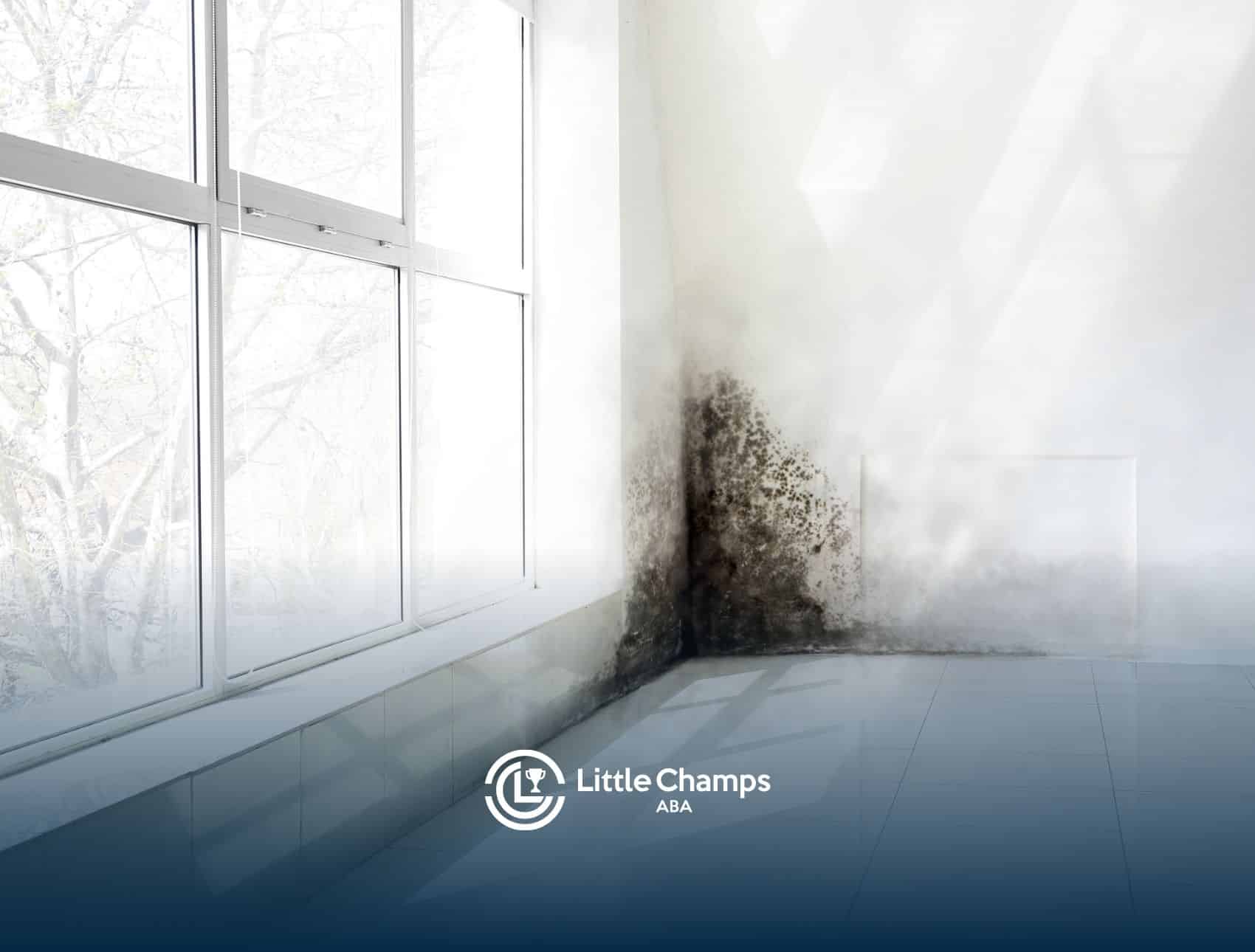
- Research is exploring a potential link between mold exposure and an increased risk of autism spectrum disorder.
- Mycotoxin exposure, which involves toxic substances from mold, may impact brain development.
- Certain environmental risk factors, including mold, are being studied for their role in the development of autism.
- Symptoms of mold toxicity can sometimes mimic the behavioral and neurological symptoms seen in autism.
- Preventing mold growth is a key step in creating a healthier living environment for all children.
- While a positive association is noted in some studies, a definitive causal link is not yet established.
Introduction
Many parents of children with autism search for environmental explanations — and understandably so. The question of whether mold in the home could contribute to various health outcomes is one that families and researchers have both asked. This article examines what the current evidence actually says about mold, indoor environmental health, and autism spectrum disorder.
One important point to make clear from the outset: no causal link between mold exposure and autism has been scientifically established. No major health authority — including the CDC, the American Academy of Pediatrics, or the Autism Science Foundation — recognizes mold as a confirmed cause or significant risk factor for ASD based on current evidence. That does not mean indoor air quality is unimportant for children’s health. It means the specific claim that mold causes autism goes beyond what the science supports, and families deserve accurate information.
Autism Spectrum Disorder: Basic Overview
Autism Spectrum Disorder (ASD) is a complex neurodevelopmental condition that affects how a person communicates, interacts with others, and behaves. As a “spectrum” disorder, it includes a wide range of symptoms and abilities. Some individuals may have mild challenges, while others require significant daily support. The diagnosis of autism is based on observing these behaviors and developmental patterns.
According to the CDC, ASD is a developmental disability caused by differences in the brain, with a strong genetic basis. The causes of autism are multifactorial — involving a complex interplay of genetics and, in some cases, prenatal environmental factors — and no single environmental exposure has been proven to cause autism on its own.
Among the environmental factors that researchers are actively investigating, mold exposure is sometimes mentioned. However, it is important to understand that being studied is not the same as being confirmed. What scientific evidence exists regarding mold exposure and autism is limited, preliminary, and inconsistent.
Key Features and Diagnosis of Autism
Autism spectrum disorder is primarily characterized by challenges with social interaction and communication. You might notice that a child with autism has difficulty understanding or expressing emotions, maintaining eye contact, or engaging in typical back-and-forth conversations. These difficulties can make forming relationships challenging.
Another key feature is the presence of restricted or repetitive behaviors and interests. This can manifest as a strong focus on a specific topic, repetitive body movements, or a strict adherence to routines. This range of symptoms can vary greatly from one person to another, which is why the diagnosis requires a comprehensive evaluation by a healthcare professional.
The diagnosis of ASD, one of several developmental disorders, is typically made in early childhood. Professionals observe the child’s behavior and development to determine if they meet the criteria. There is no single medical test for autism; instead, the diagnosis is based on a careful assessment of the child’s social skills, communication abilities, and behavioral patterns.
Genetic and Environmental Risk Factors for Autism
The development of autism is not tied to a single cause. Instead, research points to a combination of genetic and environmental risk factors. There is a strong genetic component, and studies have shown that certain genes can increase a person’s susceptibility to developing autism. Family history often plays a significant role, with siblings of individuals with autism having a higher likelihood of also being on the spectrum.
Environmental factors are also an area of ongoing research — but the focus is primarily on the prenatal environment. Research organizations such as the NIEHS are investigating how exposures during fetal brain development may interact with genetic susceptibility. These are not the same as household exposures during a child’s infancy or early childhood.
Some of the key environmental factors under investigation include:
- Maternal infections during pregnancy
- Exposure to chemicals like pesticides and pollutants
- Complications during birth
- Advanced parental age
What Is Mold and Mycotoxin Exposure?
Mold is a type of fungus that you can find almost anywhere, but it especially loves damp and humid spaces. When mold grows, it releases tiny mold spores into the air that can be inhaled. This is what we refer to as mold exposure. In some cases, this exposure can lead to various health problems.
Certain types of mold produce mycotoxins, which are toxic substances that can be harmful to human health. Mycotoxin exposure occurs when you inhale or ingest these toxins. Understanding the known health effects of mold is useful context — but those general health effects are different from a confirmed link to autism specifically.
Types of Mold Common in Homes and Schools
You might be surprised to learn what kinds of mold could be lurking in common spaces. Mold growth often occurs in humid environments or areas that have experienced water damage, releasing mold spores into the air. This is a particular concern in places where young children spend a lot of time, like homes and schools.
Some types of mold are more frequently found indoors than others. Being able to recognize them can help you identify a potential problem sooner. While many molds exist, a few are notorious for appearing in buildings.
Here are some of the most common types of indoor mold:
- Stachybotrys Chartarum: Often called “black mold,” it thrives in very wet, humid areas like bathrooms.
- Aspergillus: This mold is commonly found in damp places like basements and can be a problem for those with weakened immune systems.
- Penicillium: You might see this on food items like bread, but it can also grow in buildings and cause allergic reactions.
How Mycotoxins Are Produced and Spread
Mycotoxins are toxic byproducts created by certain types of mold. Not all molds produce these harmful substances, but the ones that do can pose a significant health risk. These mold toxins are part of the fungus’s natural life cycle and are released along with spores into the surrounding environment.
The risk of exposure increases when mold is disturbed, which can send a cloud of spores and mycotoxins into the air. You can then inhale these particles, or they can land on surfaces and be ingested.
The known, well-established health effects of mycotoxin exposure include respiratory irritation, allergic reactions, and in cases of significant or prolonged exposure, broader immune and neurological effects. These are legitimate health concerns that justify reducing mold exposure in any home — independent of any unproven connection to autism. Because mycotoxins are microscopic, you won’t be able to see them, making prompt response to visible mold growth and musty odors important.
Pathways of Mold Exposure in Children
Children can be exposed to mold through several pathways, with the most common being the air they breathe. Poor indoor air quality in homes, schools, or daycare centers can significantly increase the risk of exposure. These tiny mold spores can be inhaled deep into the lungs, where they may cause health issues.
Because children’s bodies are still developing, they are often more vulnerable to environmental toxins. This general vulnerability is a good reason to maintain clean, well-ventilated indoor environments — though it does not mean mold has been proven to cause or worsen autism specifically.
Indoor Air Quality and Household Mold Risks
Maintaining good indoor air quality is essential for preventing household mold. Mold thrives where there is moisture, so controlling water and humidity is your first line of defense. Simple issues like a leaky pipe or poor ventilation in a bathroom can create the perfect breeding ground for mold.
So, what steps can families take to reduce mold exposure for children with autism? The key is to make your home an undesirable place for mold to grow. This involves being proactive about moisture control and airflow. Regular maintenance and cleaning can make a huge difference in keeping your indoor environment healthy.
Here are a few practical tips:
- Control Humidity Levels: Keep indoor humidity below 60%, using dehumidifiers or air conditioners if necessary.
- Ensure Proper Ventilation: Use exhaust fans in kitchens and bathrooms to move moisture outside.
- Fix Leaks Promptly: Address any water damage from leaks or floods as soon as possible to prevent mold from taking hold.
Vulnerability of Children to Mold and Toxins
Children are not just small adults; their bodies are fundamentally different and still developing. This makes them particularly susceptible to the harmful effects of environmental toxins, including those from mold. Their immune system is still maturing, and their respiratory rates are higher, meaning they breathe in more air—and more contaminants—relative to their body size.
This means that mold exposure can contribute to health issues in children, particularly respiratory problems like asthma and allergies. Some research has explored whether mold exposure may also have neurological effects. However, the studies in this area are limited in scale, have produced inconsistent results, and do not establish a causal relationship with autism. Only three peer-reviewed studies have specifically investigated the relationship between household mold exposure and autism risk, with mixed results and small sample sizes that prevent definitive conclusions.
Maintaining a clean, mold-free environment is a sound health practice for all children — and that recommendation stands on its own, without requiring an unproven link to autism to justify it.
Scientific Evidence: Mold Exposure and Autism Risk
When we examine the body of research honestly, the picture is clear in one important respect: no causal link between mold exposure and autism has been established.
What Studies Have and Have Not Found
Some studies have reported associations — meaning mold exposure and autism diagnoses occurred more frequently together in certain populations. However, association is not causation, and the research in this area has significant limitations:
– No large-scale epidemiological studies have demonstrated that populations with greater mold exposure have higher rates of autism – The few studies that have explored this question have produced inconsistent and conflicting results – Study designs have generally been unable to isolate mold from other environmental and socioeconomic factors that co-occur in affected households – Accurately measuring historical mold exposure retrospectively is methodologically difficult
The following table reflects what the evidence does and does not support:
| Claim | What the Evidence Shows |
|---|---|
| Mold exposure is associated with respiratory and immune effects in children | Well-established |
| Mycotoxins can affect the nervous system under certain conditions | Under investigation; evidence is preliminary |
| Mold exposure causes autism | Not established — no causal link confirmed by peer-reviewed research |
| Living in a mold-free environment is better for children’s health | Supported for general health reasons |
The original framing of a “link” between mold and autism — however cautiously worded — can cause serious harm to families. Parents may pursue unnecessary and costly environmental remediation under the mistaken belief that it will treat or prevent autism. They may delay pursuing evidence-based interventions like ABA therapy. And they may carry unwarranted guilt about their home environment.
The most responsible position, consistent with CDC guidance and the consensus of autism research organizations, is this: mold exposure has not been proven to cause autism. General health reasons are reason enough to address mold in the home, but it should not be presented as an autism intervention or cause.
Mold Exposure in Children Diagnosed with Autism
For a child already diagnosed with autism spectrum disorder, mold exposure raises separate, more straightforward health questions — not about autism causation, but about general physical wellbeing.
Can Mold Worsen Behavioral and Health Symptoms?
A common question from parents is, “Can mold exposure worsen symptoms in children already diagnosed with autism?” The evidence suggests it’s a real possibility. Mold can cause a variety of health issues, including fatigue, irritability, and headaches. For a child on the autism spectrum who may already struggle with emotional regulation and sensory sensitivities, these physical discomforts can easily exacerbate behavioral symptoms.
Imagine feeling unwell but being unable to clearly communicate it. This frustration can lead to an increase in meltdowns, aggression, or withdrawal. Therefore, the physical health issues caused by mold can have a direct, negative impact on a child’s behavior and overall well-being.
While mold exposure is not linked to the initial development of autism in a diagnosed child, it can certainly complicate their daily life. The increased risk of physical illness adds another challenge for a child who may already have a sensitive system. Addressing any potential mold issues in the home is a critical step in supporting the health of a child with autism.
Co-occurring Conditions and Clinical Observations
Children with ASD may develop co-occurring health conditions such as chronic allergies, asthma, and respiratory issues. Mold exposure can exacerbate these conditions. Managing these co-occurring physical health concerns is an important part of a child’s overall care plan — and a good reason to maintain healthy indoor air quality — but it is separate from any claim that mold influences autism development.
A holistic approach to supporting a child with autism includes attention to physical health, sleep, nutrition, and environment — all as contributors to overall wellbeing, not as causes or cures for autism itself.
Steps for Reducing Mold and Mycotoxin Exposure
Creating a healthy living environment free from mold is one of the most proactive steps you can take for your family’s well-being. Preventing mold exposure doesn’t have to be complicated; it’s all about controlling moisture. Simple habits like regular cleaning and ensuring good airflow can make a big difference.
Using tools like dehumidifiers and air conditioners can help manage humidity, while being vigilant about fixing leaks prevents water from accumulating. These prevention techniques are key to stopping mold before it starts. Let’s dive into some specific strategies for families and what to do if you suspect you already have a mold problem.
Prevention Techniques for Families and Caregivers
As a parent or caregiver, you can implement several prevention techniques to stop mold growth in its tracks. The main goal is to eliminate the moisture that mold needs to thrive. What steps can families take to reduce mold exposure for children with autism? Focusing on keeping your home dry and well-ventilated is the most effective approach.
Small, consistent efforts can prevent moisture buildup and create an environment where mold cannot get a foothold. Proper ventilation is especially critical in high-moisture areas like bathrooms, kitchens, and laundry rooms. Paying attention to these key areas can protect your entire home.
Here are some effective prevention techniques:
- Keep humidity levels low, ideally below 60%.
- Use exhaust fans or open windows when cooking or showering.
- Fix any water leaks promptly.
- Clean up spills immediately to prevent moisture buildup.
- Consider using mold-resistant products during renovations.
- Ensure good airflow throughout your home.
Testing and Remediation Strategies for Mold in Homes
If you suspect mold in your home, the first step is a visual inspection. Look for visible signs of growth on walls or ceilings, and be aware of any persistent musty odors. These are often the first clues that you have a mold problem that needs attention. You can also use at-home testing kits for an initial assessment.
However, for a thorough evaluation and to ensure safety, professional help is often the best choice. DIY remediation can be dangerous, as disturbing mold can release a large number of spores into the air, worsening mold exposure and potential health problems. Professionals have the right equipment and training for safe removal.
Effective remediation strategies focus on not just removing the mold but also fixing the underlying moisture issue. This is a critical step for disease control and long-term prevention. A professional remediation company will identify the source of the water, contain the affected area to prevent cross-contamination, and safely remove all mold-infested materials.
Conclusion
The question of whether mold causes autism is an important one to answer accurately. Based on current scientific evidence and the consensus of major health and autism research organizations, the answer is no — no causal link has been established.
Mold exposure is a legitimate general health concern, and managing indoor air quality is worthwhile for every child’s wellbeing. For children with ASD specifically, reducing unnecessary physical stressors — including mold-related illness — supports overall health and daily functioning. But mold exposure should not be presented as a cause of autism, and mold remediation should not be positioned as an autism treatment.
What does have a strong evidence base is early, individualized, data-driven intervention. If you are navigating an autism diagnosis or looking for guidance on evidence-based support, please reach out to Little Champs ABA to schedule a consultation. Our clinical team serves families across Colorado, Utah, Georgia, and Virginia with ABA therapy tailored to each child’s needs.
You do not need to find an environmental cause. Let’s focus on building what comes next — together.
Frequently Asked Questions
Is there a recommended test for mold toxicity in autistic children?
There is no single standard test for mold toxicity, especially in relation to autism spectrum disorder. If you have concerns, it’s best to consult with healthcare professionals. They can make a diagnosis based on clinical observations, a review of symptoms, and potentially recommend specialized testing if they suspect exposure.
Can families prevent mold-related risks for children with autism?
Yes, families can significantly reduce mold-related risk factors by adopting simple prevention techniques. Maintaining a healthy living environment through regular cleaning, controlling humidity, ensuring good ventilation, and promptly fixing leaks are all effective ways to minimize the chances of mold exposure and protect your child’s health.
Are other environmental toxins linked to autism, besides mold?
Yes, research is investigating several other environmental toxins as potential risk factors for autism spectrum disorder. In addition to mold, studies have suggested links between the risk of developmental disorders and exposure to air pollution, certain pesticides, heavy metals like lead, and chemicals such as phthalates and BPA.
Sources: